FULL HISTORICAL NARRATIVE · DISCOVER THE WONDERFUL KINGDOM ↓
Discovering the Wonderful Kingdom
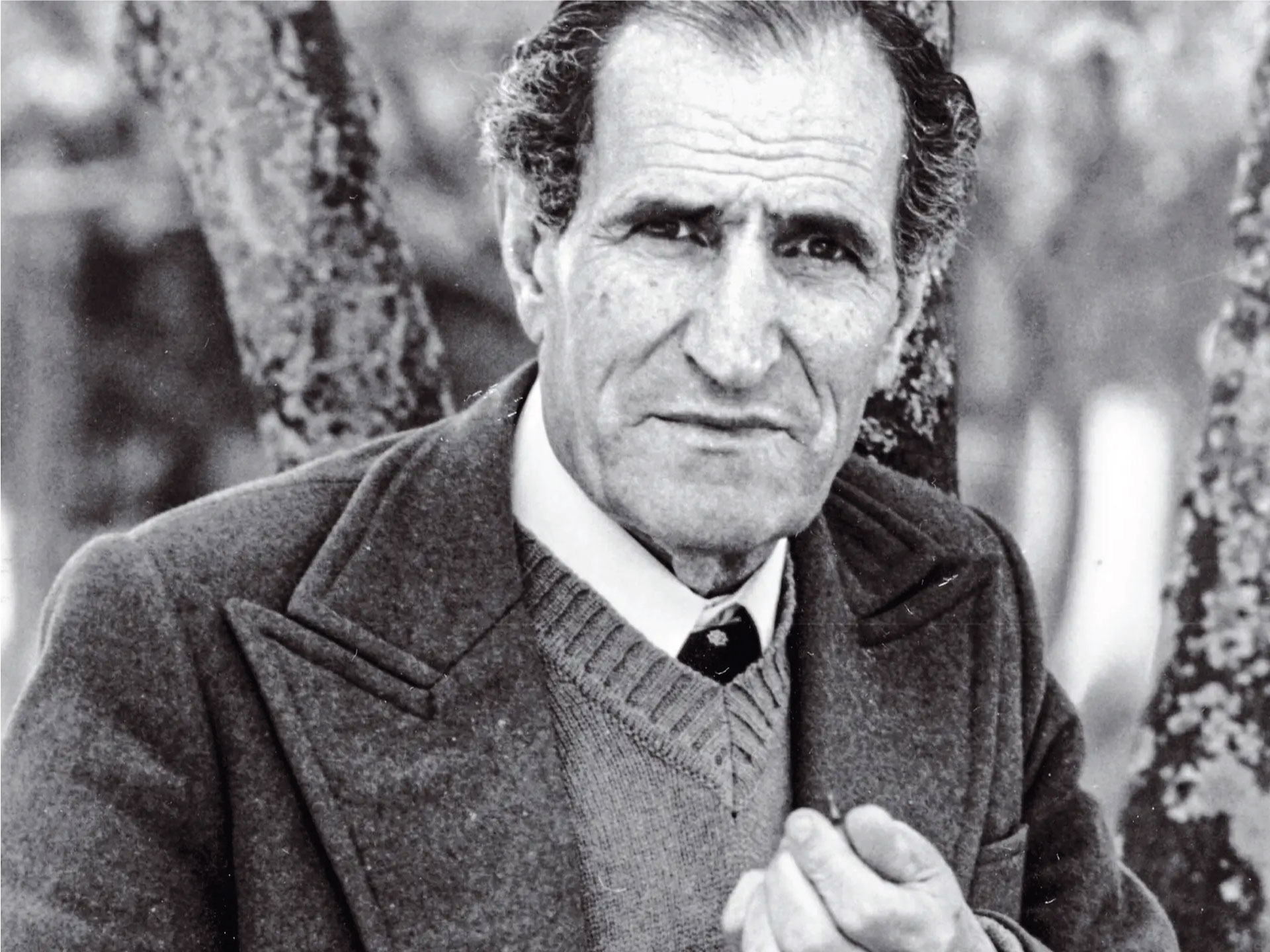
The mountain range that for centuries decisively separated the inland region of northern Portugal known as Trás-os-Montes, hindering its development, reminds us of the words associated with Miguel Torga: “Para cá do Marão, mandam os que cá estão!” — “On this side of the Marão, those who live here are in charge!” This expression, so often repeated locally, captures the isolation and unique character of the region imposed by the mountains. The winding National Road 15, linking Porto to Bragança, may have made the journey easier, but it is still not a quick one. The remarkable contrasts of the scenery more than make up for the delay. Today, the Marão is no longer a barrier; it is a gateway to a land of incomparable beauty, countless attractions, unique challenges and hidden secrets.
A whole Wonderful Kingdom is waiting to be discovered!
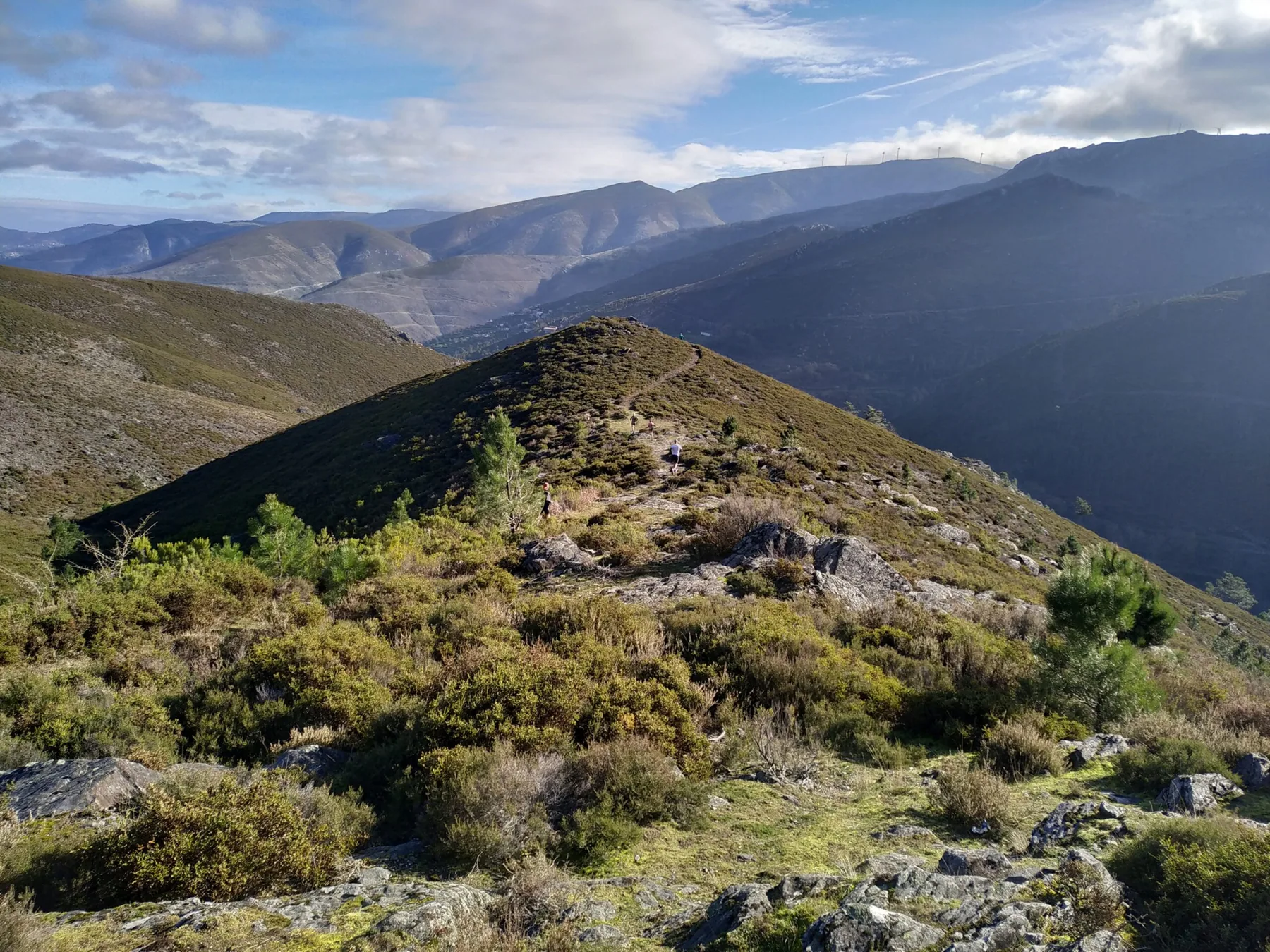
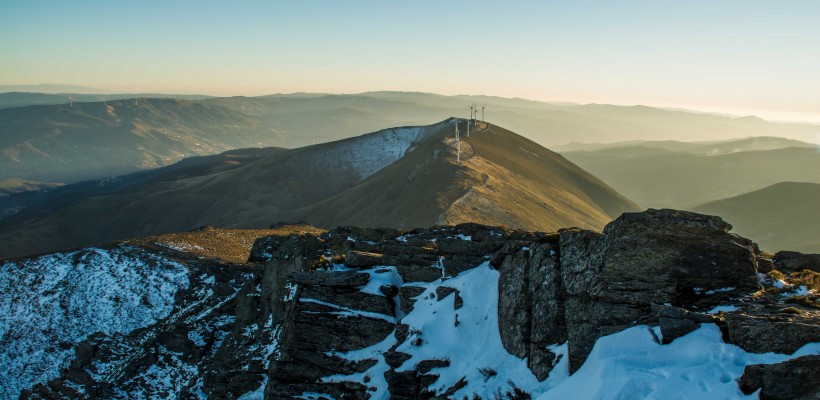
The Ultra Trail do Marão invites runners to an authentic adventure on foot through some of the most formidable mountains and rugged summits of this range, whether covered in snow or exposed rock, bounded by the rivers Tâmega to the west, Corgo to the east and Douro to the south. History-filled paths transport us to other times and help us understand how demanding these mountains have always been for their inhabitants — people defined by hard work and simplicity. Never give in to the difficulties: dream, accept the challenge, believe, and reach the jewel of the Tâmega.
The challenge begins in Mondim de Basto, a historic town in Trás-os-Montes with many features influenced by neighbouring Minho. Here the journey into these mountains, the Wonderful Kingdom, truly begins. The path leads into the unknown and demands concentration. Following ancient tracks, some thousands of years old, runners soon face a demanding ascent to Monte Farinha and the iconic Sanctuary of Nossa Senhora da Graça, an essential landmark with sweeping views at around 900 metres of altitude. Take a moment to appreciate the panorama. Descending, the route follows the beautiful Levada do Piscaredo, crosses the Cabril and Cabrão rivers and passes Mestras before arriving at Fojo. Deep in the protected area of the Alvão Natural Park lies the beautiful village of Varzigueto, traditionally home to shepherds and their flocks, with rural granite houses and thatched roofs. The scenery is breathtaking: the swiftly flowing Olo River, whose pools invite swimmers on hot days, the immense Fisgas de Ermelo waterfalls, smaller cascades and natural pools known as piocas. Their extraordinary wild beauty awakens the senses and leaves visitors wanting to return. Ermelo, a village seemingly untouched by the passage of time, preserves remarkable granite houses with slate roofs. The route then follows the Levada do Moinho do Lombo towards the magnificent EN304, descends to the Sião River, and climbs Lomba Gorda. Soon the picturesque village of Pardelhas comes into view, tucked into the western Marão massif, removed from modern life and still strongly identified with its pastoral traditions.
Leaving the comfort of the Pardelhas aid station, runners are advised to dress warmly. First comes the magnificent rugged Chão do Rosso valley. This was once territory of Iberian bears, recalled by the old stone structures built to protect beehives. Trails cut between rocks, irrigation channels and towering pinnacles lead to the Freixieiro corral, the Inca trail, former lime mines and the village of Campanhó. The route then enters the enchanted Porto Velho valley, where it is easy to fall in love with the changing scenery. Each step makes the adventure more rewarding. At the foot of Pena Suar, a spectacular trail passes an old forest ranger's house before following shepherds' paths towards Covelo do Monte. Next comes the “donkeys' trail”, where ox carts once carved grooves into the stone slabs. From Ribeira do Covelo rises the steep climb to Gavião. Enjoy the view before descending into the magical Lameira woodland. The path continues to the Chapel of Senhora da Moreira and drops along the ancient pilgrimage route to Ansiães, known as the Heart of the Marão. Rest here and make the most of the support base. The beauty of the Marão is overwhelming, and the magical scenery changes abruptly.
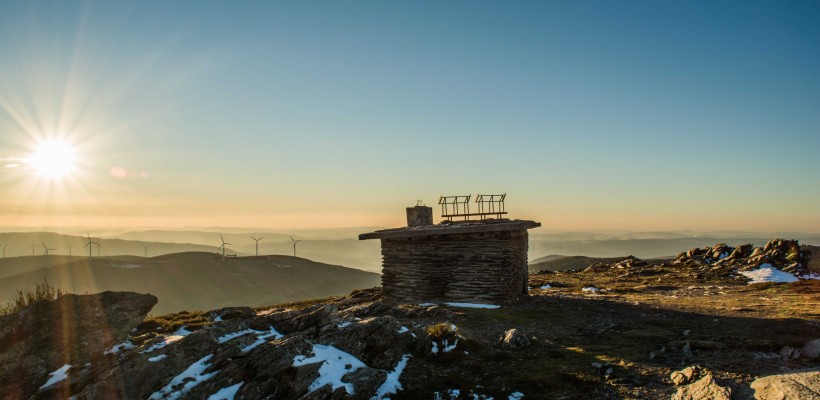
After the Centenary Wood, with its magnificent sequoias, a continuously climbing trail leads to Alto das Veias and then Portal da Freita. This is just the appetiser, a more gradual version of a Vertical Kilometre. Caution is essential: in winter weather these two summits can be fearsome. Descending into shelter, the route enters a wonderful birch forest, whose trees are known as “the brides of the forest”. Next is the village of Montes, whose people are as welcoming as those of Cotorinho. The lush forests along the Moinhos River help restore the strength needed to tackle the Marão Vertical Kilometre. Halfway up the climb a monstrous wall seems to rise ahead, surrounded by harsh, rugged, aggressive and wild rock faces. Resilience is vital. Struggle stirs anger, yet the soul finds comfort: this is your Kingdom. The Astronomical Observatory appears, and runners conquer the range's highest point, the Marão summit at 1,416 metres. The Senhora da Serra refuge offers respite to those continuing their journey. Before leaving, take in the extraordinary views over the Wonderful Kingdom.
The trail now moves away from the heart of the Wonderful Kingdom. A long descent along the Fraga da Ermida ridge, Encosta das Lajes and Seixinhos offers superb panoramas, between the Marão and the Douro, between the coast and the interior. Mafómedes is one of these little paradises, surrounded by centuries-old chestnut and oak woods. The ascent then passes the saddle between Penedo Ruivo and Chorida, where the going becomes easier. Through a luxuriant forest carefully tended by local people, the route crosses another village almost forgotten by the modern world. From Póvoa the path passes Penedo Longo, the Corvachã plateau and picturesque hamlets before reaching Travanca do Monte. Here, peace, quiet and tranquillity reign; time seems to stand still. Let the calm of everyday rural life wash over you.
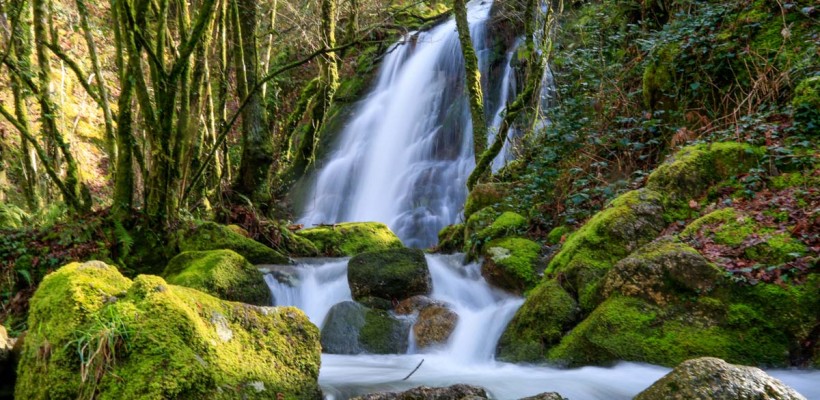
Rural paths lead into the Aboboreira range, home to Portugal's largest megalithic necropolis. Mountain trails descend through Aldeia Velha and wind past a succession of magnificent waterfalls along the Goiva stream. The route reaches the Ovelha River, follows a short climb beside the Salvador do Monte water channel and then descends gently towards the Formão track. The final two kilometres provide fine views of the Tâmega River. A level forest path brings welcome relief and reveals the beautiful riverside landscape around Amarante, affectionately called the Princess of the Tâmega. It is a magical meeting place for generations, where culture, history and traditions come together — the final stop on this adventure.